Sweet Puff: A Cutesy Typeface for Child-Centric Designs
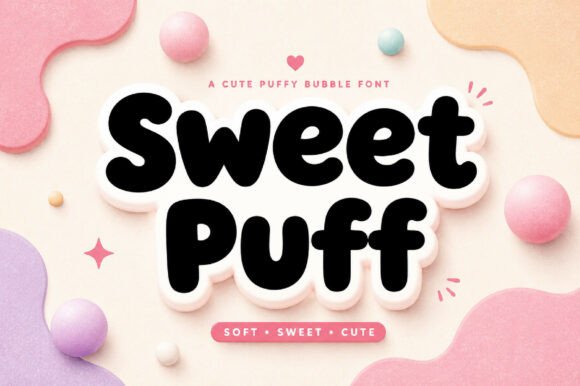
Sweet Puff is more than just a font—it's a design companion that brings charm, warmth, and playfulness to any project. With its rounded edges and endearing aesthetics, this display typeface is ideal for anything aimed at children or those who appreciate a touch of whimsy. Whether you're working on packaging, branding, or creative projects, Sweet Puff adds a unique flair that captures attention and evokes joy.
Designed with a focus on child-centric applications, Sweet Puff blends functionality with fun. Its curved alphabets and soft shapes make it visually appealing while maintaining readability. This balance between cuteness and clarity ensures that the font remains effective across various mediums, from digital screens to printed materials.
What Makes Sweet Puff Unique?
Sweet Puff stands out due to its distinctive visual identity. Unlike traditional fonts that may feel rigid or formal, this typeface embraces a playful, approachable style. The rounded letters and gentle curves create a sense of friendliness, making it perfect for designs that aim to engage younger audiences or evoke a lighthearted mood.
The font’s design philosophy centers around creating an emotional connection. Each letterform is crafted with care, ensuring that it exudes warmth and positivity. This makes Sweet Puff particularly effective in environments where a welcoming atmosphere is essential, such as educational materials, children's books, or promotional items for kid-friendly brands.
Another key feature of Sweet Puff is its versatility. While it excels in child-oriented projects, it can also be used in broader contexts where a cheerful and modern look is desired. From social media graphics to event invitations, the font adapts well to different styles and formats without losing its signature charm.
Applications of Sweet Puff
Sweet Puff is widely used in industries that cater to children or require a friendly, engaging aesthetic. One of the most common applications is in product packaging. For example, toy manufacturers, snack brands, and stationery companies often use this font to make their products more attractive and relatable to young consumers.
It also finds a home in branding and marketing materials. Businesses that target families or offer kid-friendly services—such as daycare centers, tutoring programs, or family-oriented events—can benefit from using Sweet Puff to reinforce their brand identity. The font helps convey a sense of care, creativity, and accessibility.
In addition, Sweet Puff is popular among designers and artists who want to add a personal, handcrafted touch to their work. Whether it's for a greeting card, poster, or sticker design, the font offers a fresh alternative to more conventional typefaces. Its ability to blend fun with elegance makes it a favorite among indie creators and small businesses looking to stand out.
Who Benefits from Using Sweet Puff?
Sweet Puff is particularly useful for professionals in the creative and design fields. Graphic designers, illustrators, and marketers can leverage the font to enhance their visual storytelling and create more engaging content. Its playful nature allows for greater expression, helping to differentiate a project from others in a competitive market.
Business owners and entrepreneurs who are launching new products or services targeting children or families will find Sweet Puff to be a valuable tool. It provides a consistent and recognizable visual element that aligns with the brand's personality and values. This consistency can help build trust and loyalty among the target audience.
For educators and content creators, Sweet Puff offers a way to make learning materials more appealing and interactive. Teachers, for instance, can use the font in worksheets, flashcards, or classroom decorations to create a more inviting and enjoyable learning environment. Similarly, online educators or YouTubers can incorporate the font into their videos or presentations to maintain a cohesive and engaging style.
Strengths and Considerations
One of the main strengths of Sweet Puff is its ability to capture attention without overwhelming the viewer. The font’s soft curves and gentle lines make it easy on the eyes, which is especially important when designing for children. This makes it a great choice for long-form content or materials that need to be read repeatedly.
However, it’s important to note that Sweet Puff may not be suitable for all types of projects. In more formal or professional settings, the font might appear too casual or unrefined. Therefore, it’s best to consider the context and audience before deciding to use it. For example, a corporate report or a legal document would likely benefit from a more traditional typeface rather than a playful one like Sweet Puff.
Additionally, while the font is visually appealing, it’s essential to ensure that it remains legible in different sizes and formats. Designers should test the font in various scenarios to confirm that it maintains its clarity and effectiveness. This includes checking how it looks on both digital and print media, as well as in different lighting conditions.
Real-World Examples
Many successful brands have incorporated Sweet Puff into their visual identity to create a memorable and engaging presence. For instance, a children’s book publisher might use the font on their covers to instantly signal that the content is designed for young readers. This helps parents and educators quickly identify age-appropriate materials.
Another example is a boutique toy store that uses Sweet Puff in its signage and promotional materials. The font adds a sense of fun and creativity, making the store more inviting and appealing to both kids and their parents. It also helps the brand stand out in a crowded marketplace by offering a unique visual style.
Even in non-traditional settings, Sweet Puff can make an impact. A local café that caters to families might use the font on its menus or wall art to create a warm and welcoming atmosphere. This subtle touch can enhance the overall customer experience and encourage repeat visits.
How to Evaluate Suitability
When considering whether to use Sweet Puff, it’s important to evaluate how well it aligns with your project’s goals and audience. Ask yourself questions such as: Does the font match the tone and message of the content? Will it resonate with the intended viewers? Is it appropriate for the medium in which it will be used?
Testing the font in different contexts can also provide valuable insights. For example, try using it in a mock-up of your design or share it with a small group of people to gather feedback. This can help you determine if it effectively communicates the desired message and enhances the overall aesthetic.
Finally, remember that while Sweet Puff is a powerful tool, it should be used thoughtfully. Balancing its playful elements with other design components can help achieve a more refined and professional look. By understanding its strengths and limitations, you can make informed decisions that lead to more impactful and effective designs.